
Mendoza to Uspallata & Puente del Inca (Andes High-Altitude Drive)

There’s something about watching the flat vineyards of Mendoza gradually give way to the jagged silhouettes of the Andes that makes you realize why this road made my bucket list. The moment RN7 starts climbing out of the valley, you can feel the air thinning and your ears popping slightly — a gentle reminder that you’re heading toward serious altitude. My first time on this stretch, I kept pulling over every few minutes just to soak in the views, which is why I now budget a full day instead of trying to rush back. If you’re based in Mendoza and want a taste of true high-altitude drama without committing to a multi-day expedition, this westbound route along RN7 is exactly what the doctor ordered.
Route Overview
Heading west from Mendoza on RN7, you’ll climb from roughly 700 meters above sea level to over 3,000 meters at the higher passes. The one-way drive takes about 2–3 hours without long stops, covering roughly 200 km round trip if you go all the way to Puente del Inca. I always suggest leaving Mendoza by 8 or 9 AM to give yourself breathing room — the last thing you want is to be descending that mountain road after dark when weather can turn treacherous quickly.
The traditional stop order works well geographically: Potrerillos (the dramatic valley entrance with its reservoir views), Uspallata (the main services town where you can grab food and stretch your legs), Penitentes (a ski resort area with panoramic pull-offs), then Puente del Inca (the iconic natural bridge and thermal springs), with the Aconcagua Provincial Park viewpoint as your final panoramic reward before turning back.
Best season: November through March offers the most stable weather, though afternoon thunderstorms are common in summer. Winter (June–September) can bring snow and ice to the higher sections, requiring chains or even temporary road closures.
Vehicle recommendation: A sedan handles the main RN7 highway fine, but if you plan to explore any unpaved roads or the park access route, an SUV with higher clearance serves you better. If you’re considering a rental, browse available vehicles in Mendoza to compare options that fit your group size and comfort preferences.
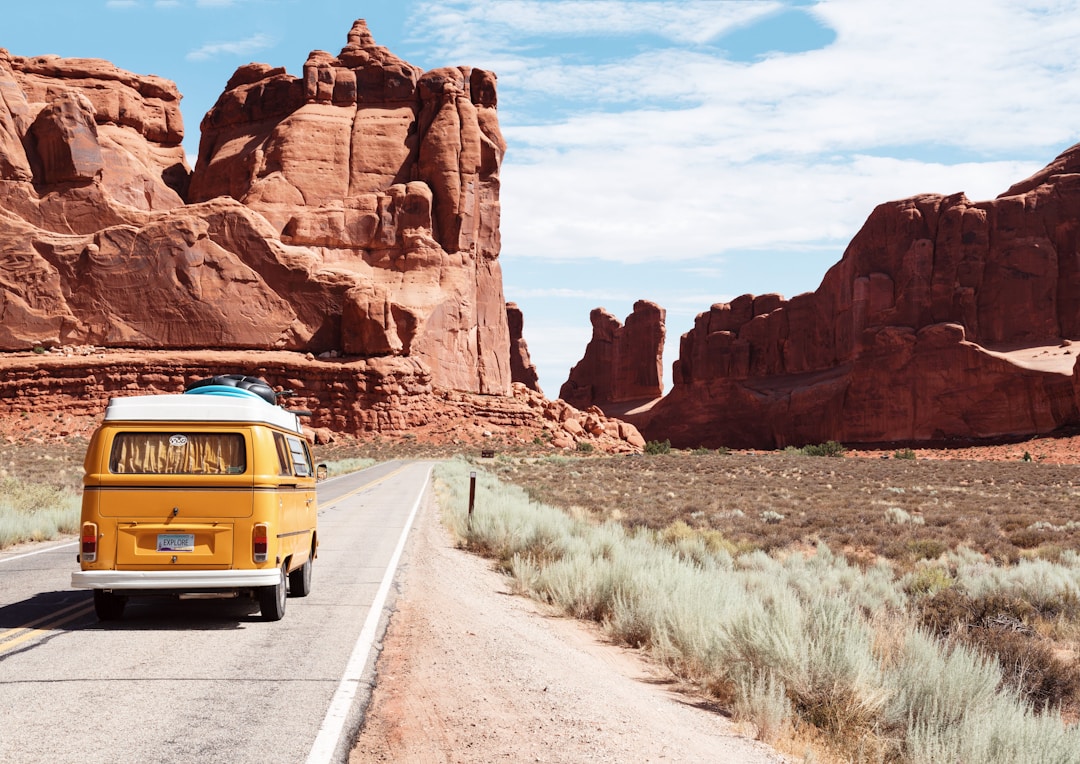
Insider tip from my repeated drives on this route: The section between Uspallata and Penitentes has several unofficial pull-offs that locals use for photos. The crowds at the main tourist stops can be thick by midday, but if you keep driving another 10–15 minutes past Penitentes toward Puente del Inca, you’ll find quieter spots where you can pull over safely and have the mountain vistas almost to yourself.
What to Know Before You Go
The biggest challenge on this route is the rapidly shifting weather. When I last drove to Puente del Inca in March, the morning started crystal clear, but by early afternoon clouds had rolled in fast and reduced visibility to almost nothing on the higher sections. If you’re doing this in winter or early spring, check the latest road conditions before departing — chains are sometimes mandatory on the mountain passes, and certain sections can close temporarily during snow events.
Altitude sickness is a genuine concern. I felt fine until about 2,500 meters, then started getting mild headaches and shortness of breath on my first trip. The fix is simple: take it slow, drink more water than usual, and don’t skip lunch in Uspallata. Pushing through symptoms at altitude is never worth it. If you’ve just arrived from sea level, give yourself at least a day to acclimatize in Mendoza before attempting the full drive.
Roadside services are limited once you leave the main towns. Gas up in Mendoza before departing, and definitely fill your tank again in Uspallata if you’re continuing past there. The section beyond Uspallata has very few facilities until you reach the Penitentes area. Carry water, snacks, and a fully charged phone with offline maps downloaded — cell service becomes spotty or nonexistent in the higher elevations.
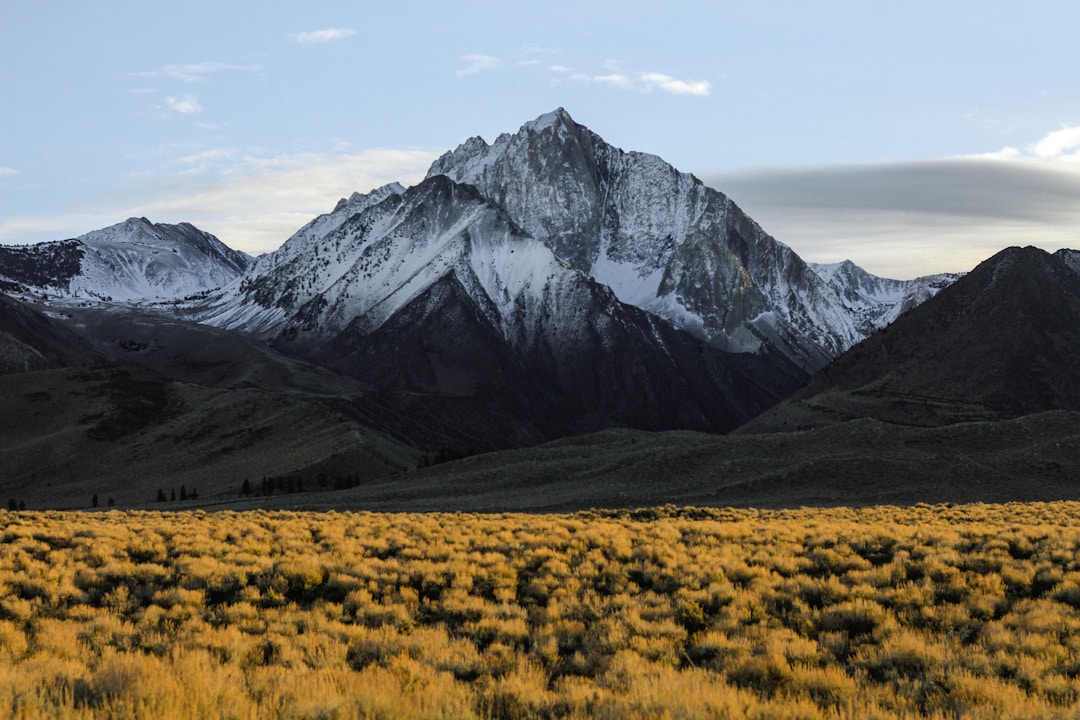
One honest drawback worth mentioning: the road surface on RN7 is generally good but deteriorates noticeably in places, with potholes appearing around the mountain switchbacks. Drive defensively and reduce speed on the hairpin turns — I learned this the hard way when a sudden pothole in a shadowed section nearly sent my rental into a guardrail.
What to Pack
Layering is non-negotiable on this route. Even in summer, temperatures at the higher viewpoints can drop 15–20°C from what you’re experiencing at the valley floor. A waterproof jacket, sun protection with high SPF, and sturdy walking shoes will cover most situations. If you’re planning to stop and hike around any of the viewpoints, bring more layers than you think necessary.
Other essentials worth having: a reusable water bottle (hydration becomes critical at altitude), snacks for the road (options beyond Uspallata are scarce), any personal medications including altitude sickness remedies, and a camera with good zoom — some of the best Aconcagua vistas are from distances that smartphones struggle to capture well.
Frequently Asked Questions
Can I do this drive without a car? Public buses run from Mendoza to Uspallata, but reaching Puente del Inca and the park viewpoint without your own vehicle is difficult and time-consuming. Tours are available but give you less flexibility. If you want to stop and photograph the scenery at your own pace, renting a car is the practical choice.
Is it safe to drive in winter? Yes, but with precautions. Carry chains even if they’re not officially required when you leave — weather on the pass can change within minutes. Start early and plan to be descending by early afternoon to avoid the coldest driving conditions.
How long should I plan for the whole round trip? Plan a full day, ideally 10–12 hours from leaving Mendoza to returning. That gives you 2–3 hours of driving each way plus 3–4 hours of stops for photos, short walks, and lunch. Rushing this route defeats the purpose of the scenery.
Do I need to pay park entrance fees? The Aconcagua Provincial Park has an entrance fee if you want to enter the park itself for hiking. The main viewpoint on RN7 before the park entrance doesn’t require payment, but if you’re continuing to the park, budget for the entry cost and check current regulations.
What’s the altitude at Puente del Inca? The natural bridge sits around 2,700 meters, while the Aconcagua viewpoint reaches approximately 3,000–3,200 meters. Both are high enough to affect people unaccustomed to altitude.
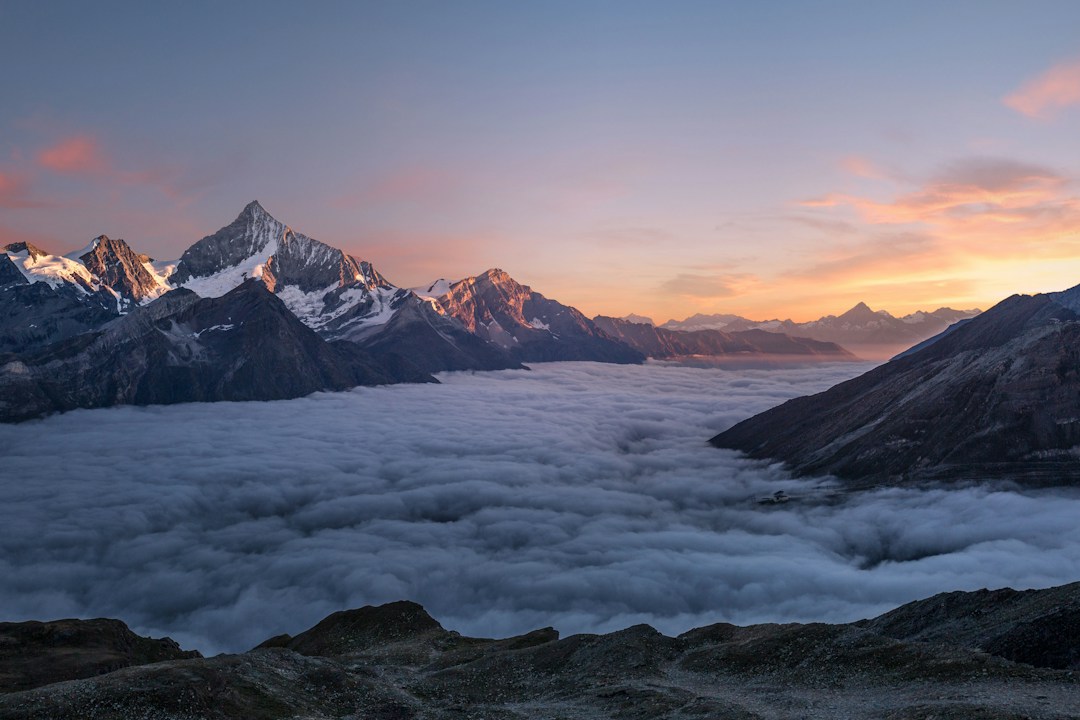
This route won’t disappoint anyone craving that wide-open, big-sky mountain feeling without needing days of preparation. Pack smart, start early, and don’t forget to actually stop and breathe once you reach that final viewpoint — Aconcagua deserves a moment of quiet appreciation from anyone who makes the drive.