
East Coast Wild Shore & Natural Pool Run

If you hire a car in Oranjestad and head east instead of west, you’ll discover a different Aruba entirely. The leeward Caribbean side gets all the postcards, but the Atlantic coast is where the island shows its teeth. Wind sculpted divi-divi trees, desert scrub hammered by constant trade winds, and waves that crash onto volcanic rock with real force. I’ve driven this route three times now, and each visit the Atlantic side surprises me with its raw, almost otherworldly landscape.
Route Overview
This roughly 3 to 5 hour self-drive loop (plus time for stops) takes you through Aruba’s untamed interior and along the rugged Atlantic shoreline. The route starts in Oranjestad, cuts inland through Arikok National Park, then drops down to the coast at several spectacular beaches before looping back. A 4×4 vehicle is strongly advisable if you want to explore the more remote tracks, particularly around the Natural Pool.
- Duration: 3–5 hours of driving, plus 2–3 hours for stops
- Distance: Approximately 45–55 km round trip
- Best season: Year-round, though the dry season (January to September) offers more reliable road conditions
- Vehicle: 4×4 essential for Natural Pool access; standard hire car fine for main roads
📍 Route order: Oranjestad → Ayo Rock Formations → Arikok National Park → Dos Playa → Natural Pool (Conchi) → Daimari Beach → Oranjestad
Starting with Ayo Rock Formations makes sense geographically, as it’s the most northerly point and the roads improve once you’re inside the national park boundary. We usually grab a coffee from a local stand before setting off—do the same, because there’s nothing like hot coffee when you’re watching the sunrise over Aruba’s desert interior.
Arikok National Park
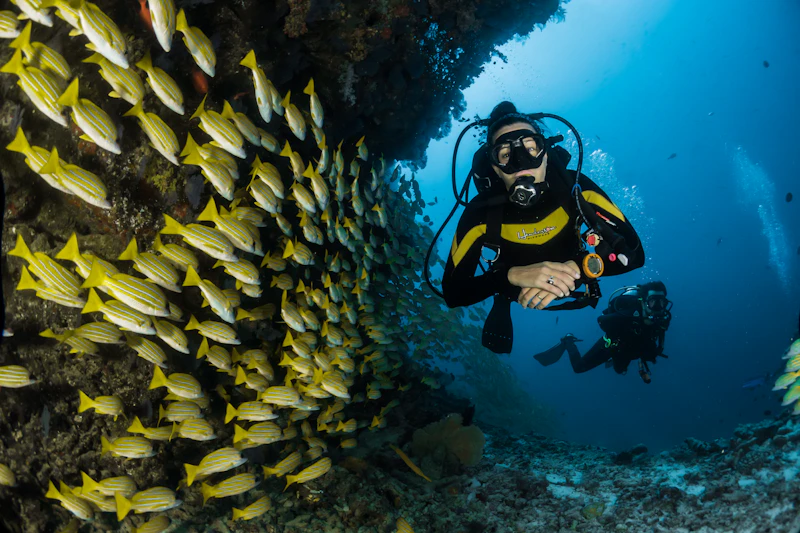
Arikok National Park covers nearly 20% of Aruba’s landmass, and it’s here that the island’s geological character becomes obvious. Volcanic formations poke through the scrub, and the wind is a constant companion. The park entrance fee is payable at the main gate—bring cash as card facilities are limited. I remember my first visit feeling slightly overwhelmed by the size of it all; the map looks simple but the tracks can be confusing if you don’t stick to the main routes.
💡 Local tip: Stop at the park headquarters first. The rangers there are genuinely helpful and will tell you which secondary tracks are passable after recent rain. Their knowledge saved us from a very stuck situation last February.
Ayo Rock Formations
Just a short drive from the park entrance, Ayo is one of those places that stops you in your tracks. These massive granite boulders balanced impossibly atop each other are sacred to Aruba’s indigenous Caiquetio people, and you can still see petroglyphs carved into the rock faces if you look carefully. The scramble to the top is straightforward but wear sensible shoes—the rocks are slippy when wet. From the summit you get a genuine 360-degree view of the island’s desert interior, and on a clear day you can see both coasts.
Dos Playa

Two beaches side by side, hence the name—two beaches. Dos Playa is strictly for watching, not swimming. The Atlantic swell here is powerful and completely unpredictable. I made the mistake of wading in knee-deep once to rinse sand off my camera, and a wave surge knocked me sideways. Nothing serious, but it taught me respect for this coastline fast. The clifftop parking area gives superb views across both beaches, and there’s a small informal snack hut nearby that sells cold drinks. It’s nothing fancy, but after a couple of hours driving in the heat, a cold Balashi really hits the spot.
Natural Pool (Conchi)
The Natural Pool goes by its indigenous name, Conchi, among locals, and reaching it is the most demanding part of this route. The track from the main road to Conchi is rough—deep ruts, loose volcanic stones, and exposed coral limestone that would shred a standard tyre in no time. I cannot stress this enough: do not attempt this section without a 4×4. Last rainy season a couple tried it in a rental sedan and had to call for recovery. It wasn’t cheap, and it definitely wasn’t fun.
When you finally reach the pool itself, the effort pays back tenfold. Conchi is a natural depression in the volcanic rock where the Atlantic crashes over the rim and fills a surprisingly calm pool within. Swimming here with waves thundering over the natural rock barrier is an experience I haven’t found anywhere else in the Caribbean. The water is cool, slightly saline, and absolutely glorious on a hot afternoon.
⚠️ Honest note: The walk from the car park down to the pool involves some steep and uneven steps carved from rock. If you have mobility issues or very young children, this destination may not be suitable. There’s no lifeguard on duty, and the currents outside the pool can be dangerous.
Daimari Beach
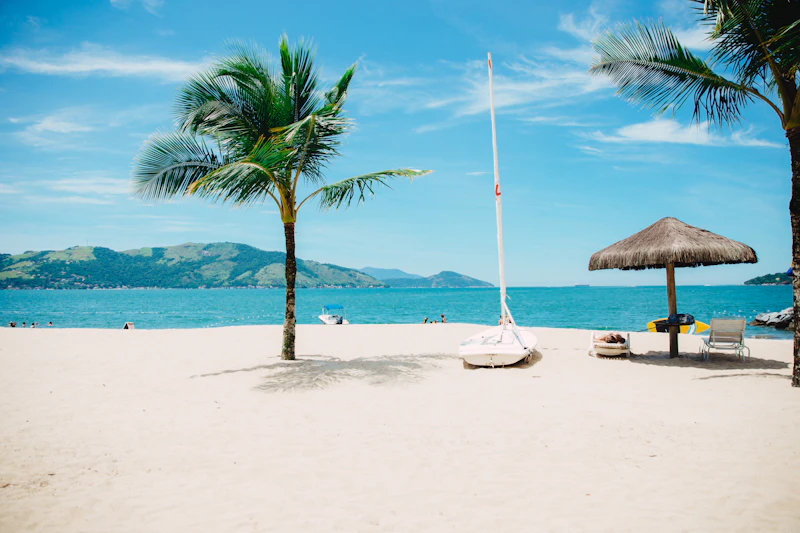
The final stop and the most civilised of the day. Daimari offers calmer waters than Dos Playa because it’s sheltered by a reef system, making it one of the few safe swimming beaches on the Atlantic coast. The contrast after the raw power of Dos Playa and Conchi is almost comical—you go from survival swimming to floating leisurely in turquoise water within twenty minutes’ drive. There’s usually a few other visitors here, but never crowds. Turtles are sometimes spotted offshore, particularly in the early morning.
This Trip Has Some Potholes You Should Know About
The biggest issue is road conditions outside the main sealed network. If you’ve just arrived in Aruba and collected a standard sedan, please do not take it off-road. The tracks around Arikok, particularly the Conchi access road, are genuinely rough and the volcanic coral limestone will puncture a standard tyre sidewall. Recovery services exist but they’re not cheap.
Weather is the other variable. Aruba is arid and the roads generally hold up well, but after heavy rainfall—rare but possible between October and December—some of the unpaved tracks become impassable even for 4×4 vehicles. Check conditions locally before setting off. The park rangers at Arikok headquarters will usually know the current state of the roads.
Sun exposure is serious business here. The trade winds keep you comfortable temperature-wise, but they’re so effective at cooling you that it’s very easy to forget you’re burning. Apply sunscreen regularly, particularly if you’re fair-skinned. I learned this the hard way on my second visit and spent the following day looking like a tomato.
Practical Things to Pack
Documents: Passport, driving licence, car hire voucher, insurance documentation. Keep digital copies on your phone as backup.
Clothing and protection: Lightweight long-sleeved shirts are actually more comfortable than t-shirts in the wind and sun. Sturdy closed-toe shoes are essential for the rock scrambling at Ayo and Conchi. A wide-brimmed hat and high-factor sunscreen are non-negotiable.
Vehicle kit: If your hire car doesn’t already have one, a phone mount for navigation is genuinely useful. Download offline maps of Aruba beforehand—signal can be patchy in the national park. Bring a power bank for the USB charging port, as the drives involve several hours with engine idling and music playing.
Supplies: At least 2 litres of water per person, more in hot weather. Snacks are advisable because the small local shops along this route have limited opening hours and stock varies. A few small garbage bags for any rubbish keeps the interior of the car tidy.
FAQ
Is a 4×4 absolutely necessary for this route?
For the full experience including the Natural Pool, yes, strongly. The Conchi access track in particular requires high clearance and four-wheel drive. If you only have a standard sedan, you can still enjoy Arikok National Park, Ayo Rock Formations, and Daimari Beach via the sealed roads—just accept that you’ll need to miss out on Conchi.
Can I visit these places in one day?
Absolutely. 3 to 5 hours of driving plus stops for swimming, photos, and snacks makes this a very comfortable day trip from Oranjestad. We usually set off around 8am and are back by mid-afternoon with time for a proper shower and a cold drink before dinner.
Are the beaches on this route safe for swimming?
Dos Playa is not safe for swimming—powerful currents and unpredictable waves make it strictly for spectating. Daimari Beach is the safe option for swimming. The Natural Pool at Conchi is generally safe when the Atlantic swell is moderate, but check conditions locally before entering.
Are there any costs to enter Arikok National Park?
There is an entrance fee per person (children under 5 usually enter free). The fee contributes directly to park conservation and maintenance. Exact current pricing should be confirmed at the park entrance or on the official Arikok National Park website, as fees are occasionally adjusted.
What should I do if it rains during my trip?
If heavy rain is forecast, postpone the off-road sections of your drive. The tracks become slippery and potentially impassable after sustained rainfall. Stay on the sealed roads within the park and revisit the Natural Pool on a drier day.
Where can I hire a suitable vehicle for this route?
Hiring a 4×4 in Oranjestad is straightforward and there’s good competition among providers. If you haven’t arranged transport in advance, compare options at car rental in Oranjestad to find a suitable vehicle for your trip. Booking ahead is advisable during peak season to guarantee availability.
Aruba’s Atlantic coast isn’t the glossy Caribbean of the postcards—it’s wilder, windier, and occasionally uncomfortable. But that’s precisely why it’s worth the drive. Give yourself a full day, take your time at each stop, and you’ll come back with a completely different impression of this small island.