
Buenos Aires To La Plata & Ensenada (Architecture & Coast)
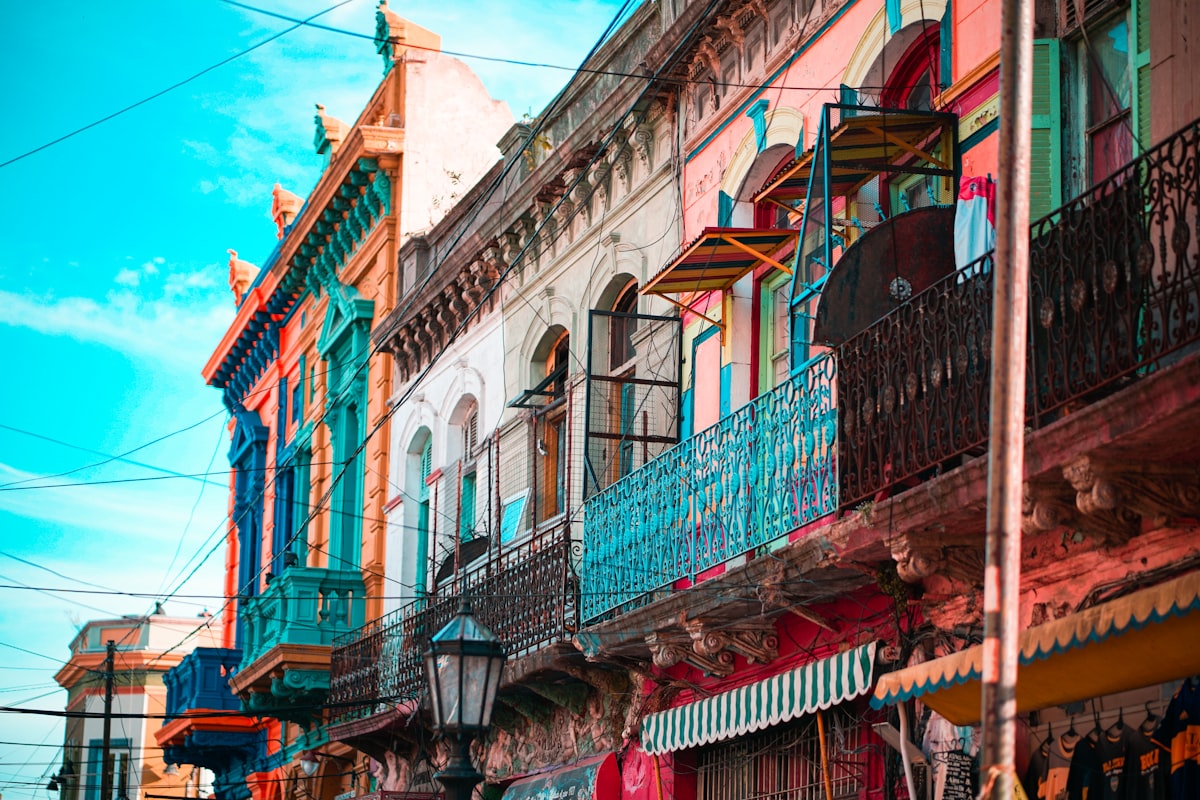
If you reckon Buenos Aires is all about tango and steak, you’re only seeing half the story. Slip behind the wheel and head south-east, and within an hour you’ll stumble into something utterly different: La Plata, a city that looks like Paris but feels entirely Argentine. Keep going a bit further and you’ll hit Ensenada, where the breeze off the Río de la Plata reminds you that water defines this region’s soul. We did this drive on a grey Thursday morning and genuinely wondered why we’d left it so long.
Route Overview
Total driving time: 1–1.25 hours each way; 5–8 hours return with stops
Total distance: Approximately 60 km one way (Buenos Aires to La Plata), then another 15 km to Ensenada
Best season: Spring and autumn for comfortable temperatures; summer can be stiflingly hot
Route type: Culture, architecture and coastal views
Recommended vehicle: A compact saloon copes admirably with city streets and the narrow waterfront roads around Ensenada
The route runs pretty much due south-east on the Autovía Hipólito Yrigoyen (National Route 210), a dual carriageway that’s generally in decent nick. We found traffic reasonably light before 9 am, though the Buenos Aires suburbs can slow you down depending on when you escape the city. The sequence works like this: hit La Plata first for the grand boulevards and museums, then drop down to Ensenada for the riverside breeze on the way back. It means you’re travelling with the traffic flow rather than against it, which sounds obvious but genuinely makes a difference to journey time.
💡 Local tip: Leave Buenos Aires before 8 am on a weekend and you’ll sail through. We got from Microcentro to Plaza Moreno in under 50 minutes on a Saturday morning. Weekday mornings are trickier—rush hour bites hard around the southern suburbs.
For this sort of day trip, having your own wheels beats public transport hands down. If you’re flying into Buenos Aires and want maximum flexibility, compare car rental options in Buenos Aires before you commit—prices vary surprisingly depending on which pick-up point you choose.
Key Stops
La Plata Cathedral
The city’s most unmistakable landmark rises up at the eastern end of Plaza Moreno, a neo-Gothic monster in pinkish stone that took over 67 years to complete. We walked in on a Tuesday afternoon and had the place almost to ourselves, which felt frankly criminal given the scale of the thing. The twin towers reach 112 metres—taller than many European cathedrals—and you can climb the tower if you’ve got a head for heights. The interior is unexpectedly intimate given the exterior’s imposing mass, with some rather fine stained glass catching the afternoon light.
Plaza Moreno
This is the geometric heart of La Plata, a square designed with obsessive precision as part of the original 1882 city plan. The plaza is flanked by the Cathedral to the east, the Municipality to the north, and the Casa de la Cultura to the west. We grabbed a coffee from a kiosk on the plaza’s western edge and watched the locals—students, dog-walkers, a surprisingly large number of chess players. The central monument to General Moreno is worth a close look; the allegorical bronze figures are more dramatic than the usual heroic stiffness.
Museo de Ciencias Naturales (Natural Sciences Museum)
One of South America’s most significant natural history collections, this museum occupies a handsome Italianate building that itself justifies the visit. The dinosaur skeletons on the ground floor genuinely stopped us in our tracks—we’d expected something provincial but found ourselves circling a beautifully preserved Pampasaurus for twenty minutes. There are excellent displays on Argentine wildlife, geology and indigenous cultures. Allow at least two hours; we managed three and could have stayed longer. Best to visit before 4 pm as it gets busier with school groups later in the afternoon.
Pasaje Dardo Rocha Cultural Centre
A handsome Belle Époque shopping gallery built in 1887, now housing cultural spaces, boutiques and cafés beneath its ornate iron-and-glass roof. We wandered through on a drizzly afternoon and found a small exhibition of contemporary Argentine photography on the upper level—the quality was genuinely impressive and entirely free. The building’s external facade on Calle 50 is equally photogenic, all arched windows and decorative plasterwork. It’s a handy pit stop if you need to stretch your legs between museums.
Ensenada Waterfront
The payoff at the end of the route. Ensenada sits right on the banks of the Río de la Plata, and on a clear day the views across the grey-green water are genuinely expansive. The waterfront promenade is nothing fancy—just a concrete walkway with a few benches and food stalls—but there’s something deeply satisfying about standing where the river widens into what is essentially an inland sea. We watched a couple of fishing boats puttering about and felt the tension drain out of our shoulders. It’s messier and less polished than the coastal towns further down the coast, but that’s part of its charm.
Watch Out For These Traps
Traffic timing: The Autovía Yrigoyen gets congested heading out of Buenos Aires weekday mornings between 7 and 9 am. If you’re coming back from Ensenada in the late afternoon, expect similar delays in the opposite direction. Saturday mid-morning is your friend.
Parking in La Plata: Street parking is metered and the rules aren’t always obvious to visitors. We parallel parked without incident but saw several cars with parking tickets. Your best bet is to use the car parks on Calle 8 or near the shopping district on Calle 50—cheaper and less stressful than hunting for a space.
The road to Ensenada: The last stretch from the main highway down to the waterfront involves some narrow streets that aren’t well signed. We took a wrong turn and ended up in what looked like a residential neighbourhood before doubling back. Keep your navigation app handy or ask a local—most people we approached were helpful despite our mangled Spanish.
Río de la Plata weather: The breeze off the river can turn chilly even on a warm day, particularly in autumn and spring. We visited in late April and the waterfront was noticeably colder than central La Plata. Bring a layer.
Practical Prep Kit
Before you set off, make sure you’ve got:
- Driving licence: Your full national licence plus an International Driving Permit if your home country’s licence isn’t in Spanish or Portuguese
- Navigation: Google Maps works fine in Argentina but download offline maps for the route just in case mobile signal drops out around Ensenada
- Cash: Several of the smaller museums and cultural spaces only accept cash—Entrada Museo de Ciencias Naturales is ARS 300-500 depending on nationality
- Comfortable shoes: La Plata’s downtown is genuinely walkable but the blocks are long and the pavements uneven in places
- Water and snacks: Useful for the Ensenada leg when you’re by the water with limited facilities nearby
FAQ
Is this route suitable for an afternoon, or do you need a full day?
A full day is genuinely worth it. The drive each way takes over an hour, and La Plata alone has enough to fill five or six hours if you’re doing the museums properly. We tried to rush it in an afternoon on our first attempt and ended up skipping the Natural Sciences Museum entirely—learned our lesson.
Can you do this trip by public transport?
Technically yes—buses run from Buenos Aires to La Plata regularly and there are local buses to Ensenada. But you’d be slaves to timetables, and the Ensenada waterfront is spread out enough that you’d miss the best bits. Having a car transforms the experience, particularly for the return leg when you can stop off at random viewpoints along the river.
Is La Plata safe for a day trip?
Perfectly safe in normal daylight hours. The city centre is well-patroled and busy with locals going about their business. Standard big-city precautions apply—don’t leave valuables visible in the car, keep your phone secure in crowded areas. We encountered nothing but courtesy the entire day.
Are the museums open every day?
The Museo de Ciencias Naturales is closed on Mondays; the Pasaje Dardo Rocha’s individual shops and galleries keep irregular hours. Tuesdays through Sundays are your safest bet. Check before you travel if you can—the institutional websites aren’t always up to date, so it’s worth cross-referencing with a recent Google listing.
What’s the best order to visit everything?
We’d recommend starting with Plaza Moreno and the Cathedral (they’re right next to each other), then the Natural Sciences Museum, followed by Pasaje Dardo Rocha for lunch, then on to Ensenada for mid-afternoon before heading back. That way you catch the morning light on the Cathedral’s facade and arrive at Ensenada as the afternoon breeze picks up.
Last updated: May 2026. Opening hours and prices can shift—always verify before you go.