
Wine Road Loop: Luján de Cuyo & Maipú (Bodegas & Olive Groves)

There’s something almost unfair about how easy it is to taste world-class wine in Mendoza. I spent three days driving this loop with no agenda beyond wandering through vineyards, and I kept thinking: why isn’t every wine region this relaxed? The roads are flat, the signage is clear, and the hard part isn’t getting from one bodega to the next—it’s deciding which tasting rooms deserve your afternoon.
This route pulls together two of Mendoza’s most celebrated wine districts, Luján de Cuyo and Maipú, into a manageable loop you can knock out in a single day or stretch across two unhurried afternoons. Whether you’re chasing bold Malbecs, crisp Sauvignon Blancs, or the region’s surprisingly excellent olive oil, everything is clustered close enough to town that you’re never burning hours in the car.
Route Overview
Total driving time: About 30–60 minutes between areas; 5–8 hours total if you’re planning sit-down tastings and a proper lunch.
Route type: Food and wine route—flat, well-maintained roads with light traffic outside of rush hours.
Best months to visit: March through May for harvest season (fantastic energy, but book ahead), or September through November for spring bloom and slightly lighter crowds.
Recommended vehicle: A compact or mid-size sedan handles all roads here with no issues. Skip the SUV unless you’re planning to venture into the Andes proper.
Suggested route sequence: Start in Chacras de Coria for a leisurely morning coffee and boutique tasting, then head east to Calle Cobos in Luján de Cuyo to hit the heavyweight Mendoza wineries. From there, cut south to Vistalba before crossing into the Maipú wine district for olive oil and a relaxed afternoon tasting. The loop circles back toward the city without any backtracking.
Key stops:
- Chacras de Coria – quaint village atmosphere, great for a pre-drive coffee or light empanada
- Calle Cobos (Luján de Cuyo) – the densest concentration of historic Mendoza wineries
- Vistalba – home to one of the region’s most recognized wine tourism experiences
- Maipú wine district – olive oil mills, heritage wineries, and local lunch spots
If you’re flying into Mendoza and planning to explore beyond the city, I’d suggest comparing rental options for your Mendoza car rental before you arrive—prices vary surprisingly depending on the pickup point, and booking ahead during harvest season can save you both money and disappointment.
Insider tip: Most wineries offer complimentary parking, but the lots fill fast on weekend afternoons. I learned this the hard way at one Bodega Catena Zapata tasting and spent 20 minutes circling before a spot opened up. Arrive before noon for the best shot at a stress-free parrillada and wine pairing.
Watch Out For These Traps
Weekend and harvest season bookings: This shouldn’t surprise anyone, but Mendoza’s most popular wineries—Bodega Catena Zapata, Bodega Pulenta Estate, Clos de Chacras—fill up fast on Saturdays and Sundays from March through May. If your schedule is flexible, midweek tastings are quieter and the tasting room staff can spend more time walking you through single-vineyard Malbecs.
Siesta hours: Many smaller olive oil mills and boutique wineries close between 1 and 3 or 4 PM. I’d checked one place online and showed up at 2 PM to find shuttered windows and a handwritten “Volvemos a las 4” sign. Call ahead or plan your afternoon stops around this rhythm.
Credit cards aren’t always welcome: Some of the smallest family-run olive oil producers in Maipú are cash-only. I always carry about 3,000–5,000 ARS in small bills for exactly these moments. It’s not huge money, but it saves an awkward conversation when you’re standing there with a beautiful bottle of peppery extra-virgin and no way to pay for it.
Road signage in Maipú: The wine district is less polished than Luján de Cuyo in terms of tourist signage. Some olive oil mills have no signs at all—just a faded gate and a handwritten address. GPS is essential here, and I’d recommend downloading offline maps because cell reception can be spotty between vineyards.
Olive oil “tastings” aren’t always structured: Not every mill has a formal tasting room. At some places you walk in, someone hands you a piece of bread and a bottle, and you figure it out together. It’s charming when it happens, but don’t confuse it with a curated experience. If you want a proper structured tasting, look for mills that specifically mention “visita con degustación” on their websites.

Practical Prep Before You Go
Documents: Your driver’s license (international visitors need an IDP for Argentina), passport, and if you’re renting a car, the rental voucher and credit card in the primary driver’s name. Keep digital photos of everything on your phone as a backup—I’ve had a rental desk squint at a crumpled printout for ten minutes before accepting it.
What to wear: Layers. Mendoza’s weather can shift from cool morning fog to midday sun in the 28–30°C range. Wear closed-toe shoes if you plan to wander through vineyard rows—there’s usually a bit of mud after watering, and ticks are something to be aware of in rural areas during spring months.
Vehicle gear worth having: A phone mount for GPS, a portable charger (12V cigarette adapter or USB), and a cooler bag in the car. You’re going to be buying wine and olive oil, and you’ll want somewhere to stash bottles during the drive. A basic first-aid kit doesn’t hurt either— Mendoza is remote enough that a 20-minute drive to the nearest pharmacy matters.
Water and snacks: More important than you’d think. Tastings can be generous, and doing five or six winery stops on an empty stomach is a fast track to a headache. Keep a bottle of water and some crackers in the door panel. Your future self will thank you around 3 PM.
Cash: As mentioned, cash-only stops are real. 3,000–5,000 ARS should cover empanada breaks, small purchases, and tips. Most wineries and nicer restaurants take cards, but the heritage olive mills are reliably old-school.
FAQ
Is one day enough for this loop, or should I spread it over two?
You can technically do the full loop in one long day, but you’d be rushing. I’d recommend two days if you want to do proper tastings (most places pour 5–8 wines per session and last 60–90 minutes), grab a sit-down lunch, and not feel like you’re clock-watching between stops. One day works if you keep tastings to three wineries maximum and skip the structured lunch in favor of empanadas on the go.
Do I need to book winery tastings in advance?
Yes, especially on weekends and from March through May during harvest season. Some of the most acclaimed bodegas (Catena Zapata, Bodega Aleanna) sell out 2–3 days ahead. Midweek bookings are often available same-day, but I’d still reserve 24 hours ahead to guarantee your preferred time slot. Most wineries accept bookings via WhatsApp, which is the fastest channel.
What’s the driving like—is it safe for someone who doesn’t drive in Argentina regularly?
The roads on this loop are significantly easier than driving in Buenos Aires. Routes between wine regions are straight, flat, and lightly trafficked. Speed bumps appear without much warning on country roads, and some vineyard routes are gravel. Drive conservatively, use GPS, and you’ll be fine. The main hazard is distracted drivers pulling out of winery driveways without looking.
Can I visit olive oil mills without a booking?
Some yes, some no. Larger producers like Laur Olivares have set visiting hours, while smaller family operations often work on a walk-in basis. The challenge is the language barrier—many of these places only answer in Spanish. If you have basic Spanish skills or a translation app ready, you’ll have better luck improvised visits. I’d still recommend booking if you want a structured tasting or tour.
How much wine can I bring back home?
Argentina allows you to export up to 5 liters of wine per person duty-free for personal use. Airlines typically let you check one bottle per person in a hard-sided suitcase without extra fees, but confirm with your carrier before you pack a full case. For international export, keep receipts handy at customs—I’ve never been asked, but your mileage may vary depending on your home country’s import regulations.
What’s the best time of year for wine tastings?
March through May is harvest season, and the energy is incredible—crazy machines humming through vineyard rows, juice flowing in the wineries, the air smells like crushed grapes. The tradeoff is larger crowds and the need to book ahead. September through November offers cooler weather, spring scenery, and thinner crowds. December through February brings summer heat and school holiday traffic. I’d personally pick April for the best balance of atmosphere and availability.
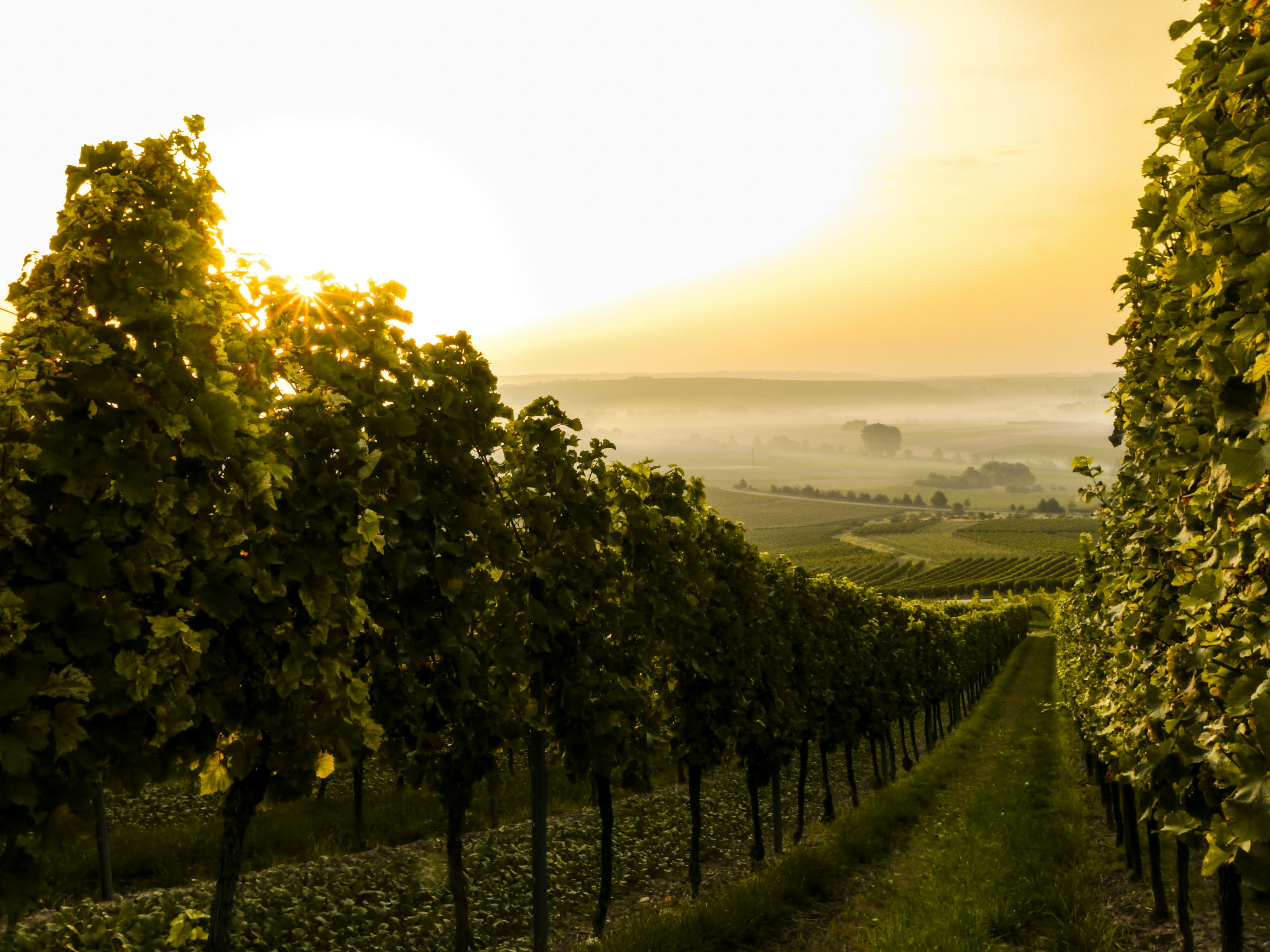
Few things in life feel as effortless as a Mendoza wine country afternoon. You’re driving between vineyards under a wide Andean sky, a bottle of something excellent waiting in the passenger seat, and no alarm clock in sight. Let this loop carry you at whatever pace feels right—and don’t rush the olive oil stop. Some of the best things I brought home weren’t even on my original list.